
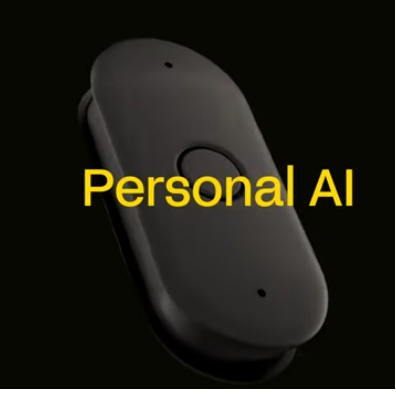
Bee is presented as a wearable personal AI device designed to capture, understand, and summarize your life’s moments, including conversations, reminders, patterns, and insights. The product — typically marketed as the Bee Pioneer Edition — is a wrist-wearable device paired with a mobile app (primarily iOS) that provides an AI-augmented personal assistant experience.
According to the official website:
- Bee aims to transform conversations, tasks, places, and experiences into summaries and insights.
- It’s designed to listen quietly in the background and build a contextual understanding of your daily life over time.
- You can interact with Bee through voice notes, taps on the device, an iOS app, or an Apple Watch.
The company’s stated mission is to build “personal AI that puts people first,” focusing on AI that learns from real human context rather than generic prompts.
Core System Components
Mobile App (iOS-Centric)
Bee relies heavily on a companion mobile app that:
- Manages capture sessions
- Uploads device audio data
- Stores conversation logs and summaries
- Enables AI-based querying and reflection
At launch, the product’s support focus has been iOS only with limited or suspended Android support, according to user discussions.
Device Hardware
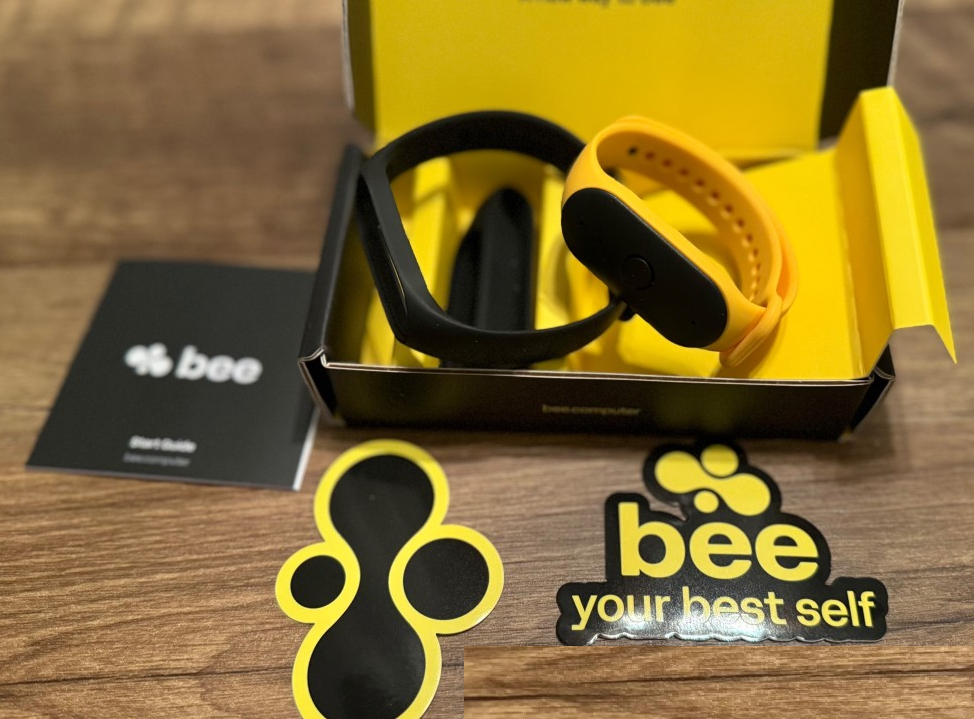
The Bee Pioneer Edition wearable typically features:
- Dual microphones with noise filtering for audio capture
- LED indicators to show recording vs idle state
- A single multi-function button for mute/unmute or activating walk-and-talk mode
- USB-C charging and claimed battery life up to 7 days (≈160 hours) per charge
- Wearability options (bracelet or clip)
- Support for ≈40 languages (subject to training and usage patterns)
AI & Data Processing
Bee’s value proposition is based on AI analysis of captured audio and patterns:
- Speech captured by the device is transcribed and interpreted
- The system distills summaries, takeaways, suggested tasks, and insights
- Users can search their history and ask questions about past conversations through the app’s AI interface
However, technical transparency on:
- the speech recognition engine
- the on-device vs cloud processing split
- privacy or data handling specifics
is not published on the website, so core system internals and AI architecture remain proprietary and opaque.
Independent User Feedback & Reliability Concerns
Beyond the official product description, independent user reports describe significant issues affecting real-world usage:
Delays, Shipping, and Support
Many customers report late deliveries, non-received products, and poor or nonexistent support responses.
App and Firmware Problems
Users on Reddit describe problems with:
- OTA updates that erase history or make the device unusable
- Android app removal or lack of reliable support
- Login/connectivity failures
Trust & Legitimacy Concerns
Automated site reviews from various sources give low trust scores or label the site as potentially high-risk, recommending caution.
Together, this independent feedback suggests that the product’s deliverability, customer experience, and app stability have been problematic for some customers, even if the underlying AI concept remains compelling on paper.
Technical Architecture Hypothesis (Based on Claimed Features)
Although Bee has not published a full technical whitepaper, typical architecture for a system like this might include:
[ Capture Layer (Wearable) ]
   Dual mic + button + local buffers
         ↓ Bluetooth/Wi-Fi
[ Companion App (iOS/WatchOS) ]
   Upload audio → cloud service
         ↓ HTTPS API
[ Cloud AI Backend ]
   Speech transcriber → semantic embeddings
   Conversation/context store (DB)
   Query/Assistant Model
         ↓ API
[ Mobile/Watch User Interface ]
   UI/UX for queries, summaries, reminders
Key technical areas for such a product would involve:
- Voice capture & noise suppression
- Real-time or batched speech-to-text
- AI summarization and context indexing
- Secure cloud storage
- Cross-device synchronization
However, because architecture details are not publicly documented, this remains an inferred model based on common AI-wearable systems.
Sample Use Cases
Despite the issues above, the core concept behind Bee enables a range of applications where personal AI assistants can add value:
Meeting Capture & Recall
A user can wear Bee during meetings to:
- Record spoken insights
- Automatically generate meeting summaries
- Surface suggested follow-up tasks
Benefits: Reduces manual note-taking and enables searchable meeting history.
Contextual Reminders
By capturing real conversations and patterns, Bee could:
- Recognize future commitments mentioned casually
- Prompt reminders before or after relevant events
Example: “Remember to send the report after lunch” → automatic reminder generated.
Personal Memory Companion
Bee’s AI could help users track recurring themes or patterns over time, e.g.:
- Work habits
- Family activities
- Health or wellness trends
This positions Bee as a “memory augmentation assistant.”
Voice-Driven Note Capture
Rather than pulling out a phone, a single button press and voice capture enables:
- To-do capture
- Idea dictation
- Quick logs of thoughts
Useful for users who want a non-disruptive hands-free note system.
Final Thoughts
Bee — as marketed — is an interesting mini wearable AI assistant that seeks to transform everyday audio into summaries, reminders, and insights that are searchable and contextualized over time.
However:
- Technical documentation is limited, with most detail residing in marketing language rather than specs.
- Independent user feedback raises serious concerns about shipping, support, app reliability, and trustworthiness of the online storefront.
If you are evaluating Bee for personal or professional use, it’s crucial to:
- Verify current product availability and app support
- Research customer experiences beyond advertising
- Determine how captured data is processed and stored
This ensures you’re making a decision based on both claimed capabilities and real-world reliability.