

In 2014, researchers affiliated with Saudi institutions published roughly 15,000 papers. By 2023 that figure was about 56,000. That near fourfold rise sits at the heart of Insights into Saudi Arabia’s Research and Innovation Ecosystem, a study from the Kingdom’s Research, Development and Innovation Authority (RDIA). RDIA listed the executive summary on its publications page on 22 December 2024, next to a longer full study. It is one of the clearest snapshots of how a country is trying to turn research spending into an innovation economy, and it is unusually frank about what still needs fixing.
Why the report matters
RDIA was set up in 2021 to steer research, development and innovation (RDI) under Vision 2030, the national plan to move the economy beyond oil. According to the report, the national goal is to spend 2.5% of GDP a year on RDI by 2040. RDIA has sorted that effort into four national priority areas:
- Health and Wellness: medical innovation that extends healthy life and fights disease.
- Sustainability and Essential Needs: water security, food production and the environment.
- Energy and Industrials: alternative energy and industrial technology built on the country’s natural resources.
- Economies of the Future: smart cities and advanced fields such as space, quantum computing and AI.
The study reviews ten years of publications (2014 to 2023), measuring volume, citation impact, funding, collaboration and open access. It compares Saudi Arabia with other countries and regions, including the United States and the rest of the Gulf Cooperation Council (GCC), and maps every priority area onto a SWOT grid.
The numbers: rapid growth, high impact
The headline figures are striking. Research output grew by an average of about 16% a year. The number of active Saudi-affiliated researchers rose 3.5 times, from roughly 18,000 in 2014 to roughly 66,000 in 2023. RDIA calls that “excellent progress” toward its goal of 140,000 researchers by 2040.
Growth was faster still in the priority areas: 28% a year in Economies of the Future, 25% in Sustainability and Essential Needs, 23% in Energy and Industrials and 20% in Health and Wellness. The number of researchers active in Economies of the Future grew 9.7 times over the decade.
Quality appears to have kept pace. Saudi research had a category normalized citation impact (CNCI) of 1.3, meaning its papers were cited 30% more than the world average for their field. That is close to the United States and the rest of the GCC, and higher than every other comparator in the study. Sustainability and Essential Needs scored 57% above the global average, and Energy and Industrials 64%. In both areas Saudi Arabia led every comparison group. The share of Saudi papers in the world’s top 1% and top 10% most cited was also higher than in any comparator.
Where the report sees room to grow
The study is just as clear about the gaps:
- Health research impact. Health and Wellness citations ran 19% above the global average, but behind several comparators. RDIA says publishing more health papers will be key to keeping it a “strength” area.
- Domestic collaboration. Saudi Arabia had the highest share of internationally co-authored papers of any comparator, and the lowest share of papers written only by national teams. Its top partners overall were Egypt, India and Pakistan. The report suggests building more collaboration at home, to balance the international links.
- Central funding. Before 2021 no central Saudi research funder appeared in paper acknowledgments, while several international funders did. RDIA now fills that role. It has already given SAR 120 million to 100 research groups in Health and Wellness, SAR 135 million to 36 health lab infrastructures, and SAR 120 million in Sustainability and Essential Needs grants.
- Women in research and invention. Women made up 30.3% of active researchers in 2023, up from 19.3% in 2014. RDIA says this share grew more than twice as fast as in any G20 comparator over 2018 to 2022. Among inventors the gap is wider: just 23% of Saudi international (PCT) patent applications in 2023 named at least one woman inventor, up from 10.1% in 2014.
Open access is a quieter strength. Apart from Germany, Saudi Arabia had a higher share of open-access papers than any comparator. In 2023 that share reached 73.8% for health research and 48.7% for energy and industrials.
Five initiatives the report puts to work
The report’s “Key opportunities” section names specific RDIA programs that are meant to close these gaps. Here are five of them.
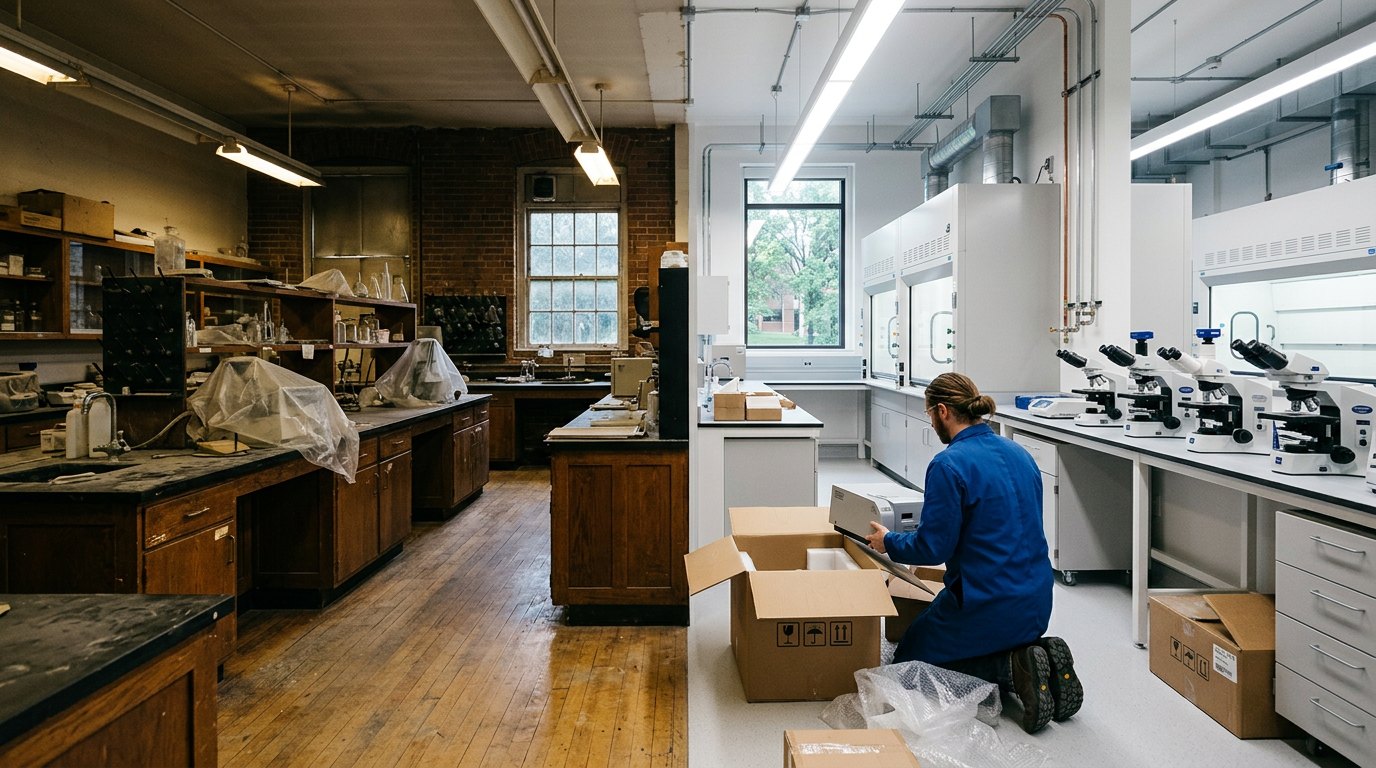
1. Reactivation and Rebuilding of Existing Labs Initiative
Rather than building everything from scratch, this RDIA program upgrades research facilities the Kingdom already has. The report connects it to larger R&D budgets and to attracting researchers from around the world. Its aim is to raise both the volume and the quality of research.
2. National Semiconductor Hub
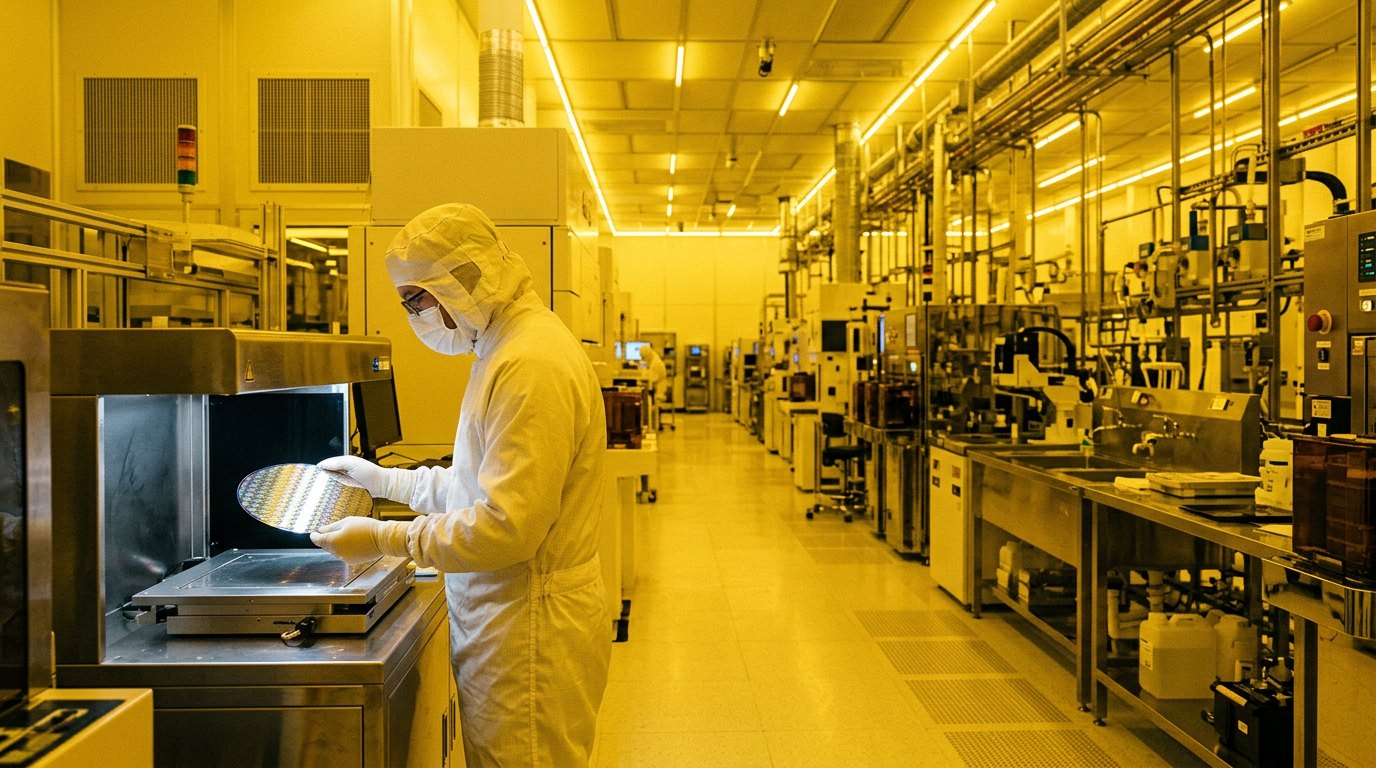
The report gives this hub as an example of RDIA bringing local players together around a national priority. Chips are core to the Economies of the Future area, which grew faster than any other priority. The hub is meant to build domestic expertise in that field, not leave it all to foreign partners.
3. Innovation Districts Alliance
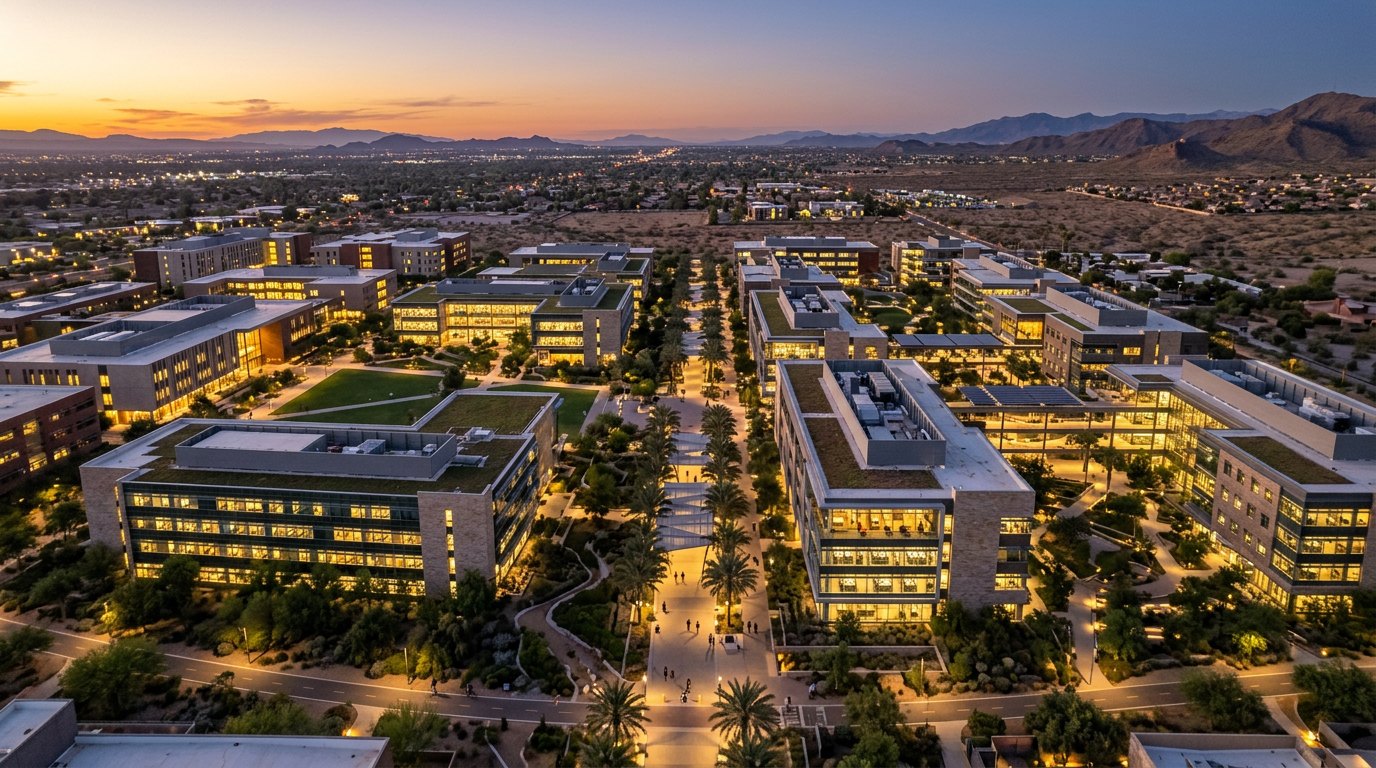
Innovation districts put universities, labs and companies close together. RDIA lists the alliance alongside the semiconductor hub as a tool for building local collaboration. That addresses the study’s finding that most Saudi papers depend on foreign co-authors, while too few come from strong domestic teams.
4. Saudi Basic Science Initiative grants
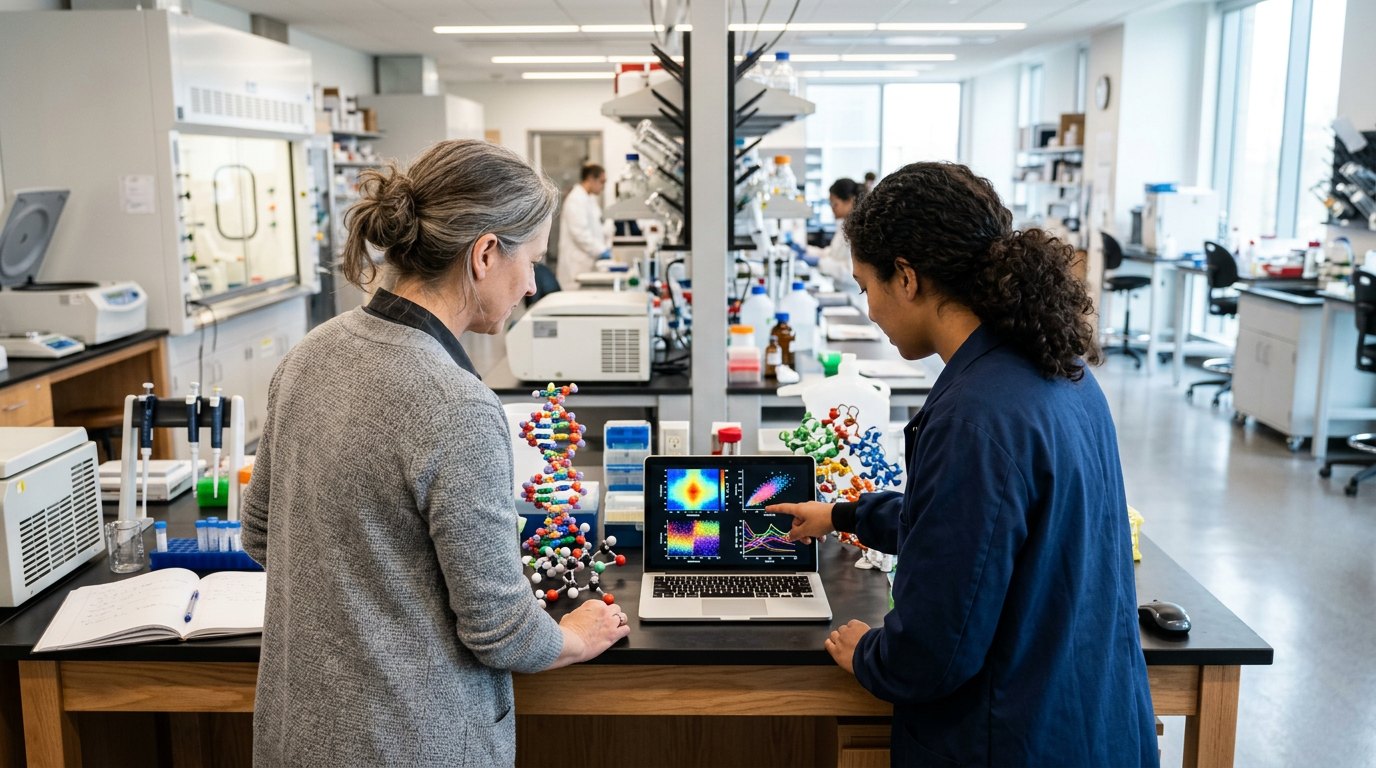
This initiative funds basic and fundamental research. The report highlights two of its grants: the Young Scholars Grant and the Research Consortium Grant. It also calls for more competitive scholarships and for mentoring schemes that pair senior scientists with early-career researchers.
5. Saudi Applied Research and Technology Initiative
This initiative focuses on what happens after publication: developing technology and commercializing research. It reflects the report’s view that strong research, combined with a push on development and innovation, can lead to commercial products, more GDP and new jobs.
The view from 2026
Newer official figures suggest the push has continued since the study’s data ended in 2023. The General Authority for Statistics (GASTAT) reports that national R&D spending reached SAR 34.51 billion in 2025. That is up 17% on 2024 and more than double the SAR 14.51 billion spent in 2021. It still equals only 0.72% of GDP, though, so reaching the 2.5% goal for 2040 would take more than three times today’s share. GASTAT counted 49,383 R&D researchers in 2025 (it counts them differently from the report’s publication-based tally). Women made up 43.9% of researchers in the higher education sector.
The Kingdom is also moving up international rankings. On WIPO’s country profile, Saudi Arabia ranked 46th in the Global Innovation Index 2025, up from 66th in 2021. It ranked 31st on innovation inputs but 61st on outputs. That gap between investment and results is exactly what the report’s focus on commercialization aims to close. The report itself targets a place among the top 26 economies on the index.
Takeaways for innovation leaders
- Volume is not the end goal. RDIA measures impact (CNCI and the share of top-cited papers) as well as paper counts. Any organization tracking its R&D should do the same.
- Funding sets the direction. A central funder that ties grants to national priorities can shift a whole system within a few years. Funding strategy is innovation strategy.
- Balance global and local. International co-authorship lifts quality, but lasting capability comes from strong teams at home.
- Measure who takes part. Tracking the share of women researchers and inventors made a gap visible, and gave RDIA something concrete to act on.
- Watch the shift to commercialization. For universities, health systems and companies, Saudi Arabia’s priority areas are signalling where new grants, partnerships and markets are likely to open up.
Conclusion
RDIA’s study describes a research system that has grown fast and well. Output nearly quadrupled, citation impact is above the global average, and every priority area counts as a strength. The harder work now is turning those papers into labs, companies and products, while deepening collaboration at home and widening who takes part. Whether R&D spending can climb from 0.72% of GDP toward 2.5% by 2040 is the number to watch.
Sources
- Insights into Saudi Arabia’s Research and Innovation Ecosystem: Executive Summary, Research, Development and Innovation Authority (RDIA), December 2024
- RDI Analytical Reports, RDIA publications page
- Research and Development Statistics 2025, General Authority for Statistics (GASTAT)
- Explore IP Landscape: Saudi Arabia (Global Innovation Index ranking), World Intellectual Property Organization