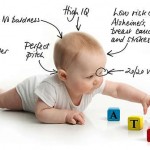
CRISPR: A new technology that can edit your genes

A. T. C. G. These four letters, put into a specific order, help determine who we are--our physical traits, personality, intelligence, risk for certain diseases later in life, and much more. And scientists have put their heads together and developed a simple, quick way to edit this order.  It is designed to remove unwanted genes (perhaps a gene that is linked to a genetic disorder) and "paste" other As, Ts, Cs, and Gs. CRISPR, as the technology is called, consists of RNA and a nuclease. The RN...
More
Posted in Uncategorized

Innovative Electrophoresis Products Come to Market

The electrophoresis market has recently seen the entry of a new series of safer DNA electrophoresis solutions by Cleaver Scientific. These products have been specifically designed to not only improve the safety of electrophoresis procedures but also to reduce the cost and make them more convenient for medical professionals. More conventional DNA gel electrophoresis have the ability to damage both eyes and skin, due to the usage of Ethidium Bromide stain and UV illumination. ‘Combining Cleaver...
More
Posted in Uncategorized

Significant breakthrough towards Diabetes Type 1 Cure

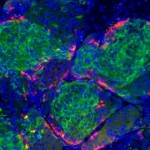
Harvard stem cell researchers announced that they have made a giant leap forward in the quest to find a truly effective treatment for type 1 diabetes, a condition that affects an estimated 3 million Americans at a cost of about $15 billion annually: With human embryonic stem cells as a starting point, the scientists are for the first time able to produce, in the kind of massive quantities needed for cell transplantation and pharmaceutical purposes, human insulin-producing beta cells equivalen...
More
Posted in Uncategorized

Smart robotic ‘Exosuit’ does the heavy lifting

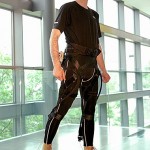
A biologically inspired smart suit that fits under clothing and could help soldiers walk farther, tire less easily, and carry heavy loads more safely is being designed by engineers at Harvard . The lightweight Soft Exosuit overcomes the drawbacks of traditional, heavier exoskeleton systems, such as power-hungry battery packs and rigid components that can interfere with natural joint movement. It is made of soft, functional textiles woven into a piece of smart clothing that is pulled on like a...
More
Posted in Uncategorized

Display technology automatically corrects vision problems

Researchers at the MIT Media Laboratory and the University of California at Berkeley have developed a new display technology that automatically corrects for vision defects — no glasses (or contact lenses) required. The technique could lead to dashboard-mounted GPS displays that farsighted drivers can consult without putting their glasses on, or electronic readers that eliminate the need for reading glasses, among other applications. “The first spectacles were invented in the 13th century,”...
More
Posted in Uncategorized

Brain-to-brain communication over the Internet – Brain-Computer Interfacing (BCI)

Brain-Computer Interfacing (BCI) is a hot area of research. In the past year alone we’ve looked at a system to allow people to control a robotic arm and another that enables users to control an ASIMO robot with nothing but the power of thought. Such systems rely on the use of an electroencephalograph (EEG) to capture brain waves and translate them into commands to control a machine. Now researchers at the University of Southampton have used a similar technique to show it is possible to transmit ...
More
Posted in Uncategorized

Dr. Nano: A Microchip-Based Test Can Now Diagnose Diabetes

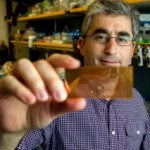
Researchers have invented a cheap, portable, microchip-based test for diagnosing type-1 diabetes that could speed up diagnosis and enable studies of how the disease develops. Described in a paper published online July 13 in Nature Medicine, the test employs nanotechnology to detect type-1 diabetes outside hospital settings. The handheld microchips distinguish between the two main forms of diabetes mellitus, which are both characterized by high blood-sugar levels but have different causes and ...
More
Posted in Uncategorized

Inventor Creates a Novel Prosthetic Arm

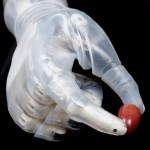
It took eight years of research, but the inventor of the Segway finally succeeded in developing the closest thing to a replacement for amputated arms—and it’s a game changer. Dean Kamen’s bionic version works by picking up on the electric signals near the point of amputation and translating those to the prosthetic, a transparent replica of a human arm and hand, complete with fingers and a thumb. Named Luke after the Star Wars hero who lost his hand in a light-saber duel, the arm gives users t...
More
Posted in Uncategorized

SMaRT Bacteria Can Fight Tooth Decay

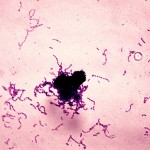
Tooth decay is an issue that most of us would prefer not to deal with. Fortunately, the creators of SMaRT Replacement Therapy have come up with an innovative solution to combat this widespread ailment: Use bacteria. SMaRT Replacement Therapy is designed to be a painless, one-time, five-minute topical treatment applied to the teeth that has the potential to offer lifelong protection against tooth decay caused by S. mutans, the principal cause of this disease. The creators have extensively a...
More
Posted in Uncategorized

Glucose Meters May Soon Be Non-Invasive, Pain-Free, and Accurate

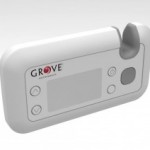
For healthcare start-ups, the race is on.  These small companies are competing to launch an approved, non-invasive (and pain-free) glucose meter for the growing diabetes population.  While each company etches out its own value proposition and aims for a commercial launch, we can take a look at what the devices with the potential for success have in common.  Many of the start-ups in this space use spectroscopy, ultrasound or some form of light-sensing technology in order to measure glucose ...
More
Posted in Uncategorized