

Google’s Gemini 4 Neon Targets Coding and Enterprise Work

A glowing blue-violet gas discharge tube on a lab bench with floating holographic data panels
AI-generated illustration Google has added a third model to its Gemini 4 family, and it sits in a deliberately practical spot. Gemini 4 Neon, announced on November 18, 2026, is pitched as the model for complex, high-frequency work: long coding sessions, spreadsheet-heavy analysis and technical research. It is not the biggest model in the lineup, and that is the point. What Google announced In its launch post, Google describes Neon as bringing frontier-level intelligence with fast end-...
More
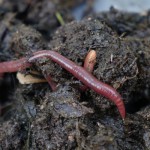
Scientists explain earthworms’ ability to counteract plant toxins

Earthworms have chemical compounds that help them overcome toxic plant defenses to digest difficult leaf litter. Researchers have identified unique chemical compounds in the digestive tracts of earthworm species which counteract the defensive toxins produced by plants, allowing earthworms to consume them safely. Many plants produce defensive chemicals called polyphenols. By binding gut enzymes, polyphenols inhibit the digestion of plant matter. Dead plants retain these chemicals even as th...
More

Catalyst Destroys Common Toxic Nerve Agents Quickly

Northwestern scientists have developed a robust new material, inspired by biological catalysts, that is extraordinarily effective at destroying toxic nerve agents that are a threat around the globe. First used 100 years ago during World War I, deadly chemical weapons continue to be a challenge to combat. The material, a zirconium-based metal-organic framework (MOF), degrades in minutes one of the most toxic chemical agents known to mankind, Soman (GD), a more toxic relative of sarin. Computer...
More