

Stanford Finds Wires Thinner Than Copper Can Carry More Current

Glowing teal nanowire running across a dark chip surface beside fine copper traces
AI-generated illustration A modern computer chip is smaller than a postage stamp, yet it can hide about 100 kilometers of copper wire inside, linking billions of transistors. The thinnest of those wires are more than a thousand times slimmer than a human hair, and that is where copper starts to fail. Researchers at Stanford University now report a material that does the opposite: it gets better at carrying current as the wire gets smaller. The work was announced in a Stanford Report stor...
More

New clues to easing side effects from Parkinson’s Drug.

In an international study, Northwestern Medicine scientists and colleagues have identified a novel strategy for reducing the side effects of uncontrolled movement caused by the drug levodopa, commonly used to treat the stiffness, tremors and poor muscle control of Parkinson’s disease. These unwanted movements caused by levodopa significantly diminish the quality of life for Parkinson’s disease patients. A team lead by D. James Surmeier, PhD, chair and Nathan Smith Davis Professor of Physiology f...
More

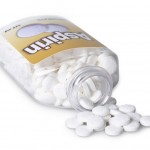
Aspirin’s disease-fighting abilities

A new study provides key insights into aspirin's disease-fighting abilities. A recent study led by researchers at the Boyce Thompson Institute (BTI) shows that salicylic acid, an active metabolite of aspirin, blocks HMGB1, an inflammatory protein associated with a wide variety of diseases. Aspirin is one of the oldest and most commonly used medicines, but many of its beneficial health effects have been hard for scientists and physicians to explain. Researchers have identified a key targ...
More