
Sodium-ion batteries have a compelling pitch: sodium is cheap and abundant, the chemistry has attractive safety characteristics, and it sidesteps much of the supply-chain anxiety around lithium. Their weakness has been energy density. A new study from Xi'an Jiaotong University, published in Nature Energy on November 2, 2026, tackles that problem with a radical design choice: remove the anode entirely, and then fix the chemistry that has kept such batteries from lasting.
According to the univers...
More
Nature Energy
Penguin Anti-Ice.
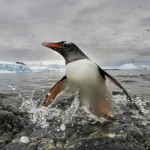
Scientists studying penguins’ feathers have revealed how the birds stay ice free when hopping in and out of below zero waters in the Antarctic. Penguins living in the Antarctic are highly evolved to cope with harsh conditions, their short outer feathers overlap to make a thick protective layer over fluffier feathers which keep them warm. Under their skin, a thick layer of fat keeps them insulated. The flightless birds spend a lot of time in the sea and are extremely agile and graceful swimmers, ...
More
Clues to Waterproof Glue Found in Antarctic Creature

Scientists are recycling nutrients in the oceans to make waterproof glue.
Today, animal glues made from bone glue, hide or skin glue, and fish glue are sparsely used for making and restoring objects, paintings, and illuminated parchment manuscripts due to difficulty of storage in a wet state and constant requirement for fresh raw materials.
For 20 years, Sam Bowser, a scientist at the New York State Department of Health's Wadsworth Center, has been doing research on a single-celled creatur...
More