

XPENG Unveils IRON Humanoid and a Shared AI Stack for Cars

Silver humanoid robot standing beside a modern electric sedan in a bright showroom
AI-generated illustration Carmakers keep saying their cars are robots on wheels. XPENG is now trying to make the reverse true too: at its eighth AI Day on November 25, 2026, the company showed a humanoid robot, IRON, built on the same AI and hardware foundation as its vehicles. The details come from XPENG's press release. Three systems, one loop The centerpiece is the Turing Physical AI Architecture, also called VLA 3.0. XPENG says it links three systems working at different speeds. S...
More

Peptide drugs with longer lifespan open new doors for treating diseases.

A research led by scientists from the University of the Pacific holds new possibilities for the treatment of cancer and other diseases using peptide drugs. The researchers concocted a technique to considerably enhance the lifespan of peptides such that they could be used more efficiently. Peptides are small chains of amino acids, the building blocks of proteins. Treating diseases like cancer by using peptides is thought to be effective because they can be more potent, and safer to use than large...
More

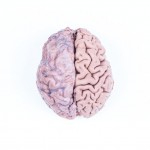
Building a brain from the inside out

Researchers at UC San Francisco have succeeded in mapping the genetic signature of a unique group of stem cells in the human brain that seem to generate most of the neurons in our massive cerebral cortex. The human cerebral cortex contains 16 billion neurons, wired together into arcane, layered circuits responsible for everything from our ability to walk and talk to our sense of nostalgia and drive to dream of the future. In the course of human evolution, the cortex has expanded as much as...
More