
In many operating rooms, one of the most important numbers is still an educated guess: how much blood has the patient lost? Chiang Mai University in Thailand says it has built an AI system to replace that guess with a measurement. In a university announcement dated 2 November 2026, the team introduced ESTIMATA-EX, which estimates blood loss and counts blood-soaked surgical materials from photos taken on a smartphone or tablet. This article covers the announcement as news and is not medical ...
More
NECTEC
Ultra-flexible, Ultra-Thin Devices Developed to Monitor the Brain
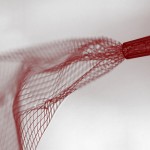
Brain activity can be monitored with tiny flexible electronics which could roll up to fit in a pocket.
Charles Lieber, a nanoscientist and nanotechnologist at Harvard University, has designed latest ultra-thin electronics flexible enough to get stuffed into the needle of a syringe with a diameter as small as the average width of a human hair.
Traditional electronics are rigid and the procedures to measure brain activity would involve surgery; surgeons would make an opening equal to the siz...
More
Stick-on Micro-Electric Medical Tattoo Invented
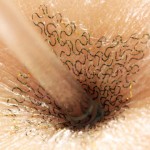
A novel stick on tattoo has been developed that can effectively measure data about the human heart, brain waves and muscle activity.
The latest in medical invention is new type of ultra-thin, self-adhesive electronic device that can effectively measure the aforementioned vital signs without the use of bulky equipment, conductive fluids, or glues.
This product is in the form of a tattoo which has to be applied to the skin like any ink transfer tattoo. It is made from a rubbery polymer subst...
More