MIT’s Dry Bottlebrush Material Could Replace Ultrasound Gel

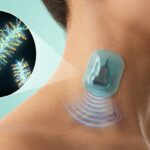
Translucent ultrasound patch on a neck with sound waves and an inset of bottlebrush polymer molecules
AI-generated illustration Anyone who has had an ultrasound knows the cold, sticky gel. It fills tiny gaps between the probe and skin so sound waves can pass through. For a doctor's visit that is fine, but for a wearable patch meant to image continuously the gel is a weak link, because it dries out within a day or two. On November 19, 2026, MIT engineers and colleagues reported a dry, stretchy replacement in the journal Science. What the team built According to MIT News, engineers at M...
More
A whale of a tale.

Scientists led by Peter Girguis, professor of organismic and evolutionary biology at Harvard, have found that the gut microbiome of right whales and other baleen species shares characteristics with those of both cows and meat-eating predators. The dual microbial communities allow whales to extract the most nutrition possible from their diet, digesting not only the copepods they eat, but their chitin-rich shells as well. The great whales are carnivores, feeding on tiny, shrimp-like animals such a...
More

11,000 years of isolation: Remote village has unusual Gut Bacteria.

A medical checkup of people living in remote villages deep in the Amazon rainforest in Venezuela has uncovered striking details about these villagers' microbiomes and the bacteria living on and in their bodies. The villagers appear to have the highest levels of bacterial diversity ever reported in a human group, the researchers found. Their microbiomes include bacteria that have genes that could make them resistant to treatment with antibiotics. Some of these genes could even make these bacteria...
More

Scientists explain earthworms’ ability to counteract plant toxins

Earthworms have chemical compounds that help them overcome toxic plant defenses to digest difficult leaf litter. Researchers have identified unique chemical compounds in the digestive tracts of earthworm species which counteract the defensive toxins produced by plants, allowing earthworms to consume them safely. Many plants produce defensive chemicals called polyphenols. By binding gut enzymes, polyphenols inhibit the digestion of plant matter. Dead plants retain these chemicals even as th...
More

Search for better biofuels microbe’s leads to the human gut

Microbes in the human gut can digest fiber in order to ferment them into nutrients that nourish human cells. The latest research by scientists is that microbes in the human gut can digest fiber, breaking it down into simple sugars in order to ferment them into nutrients that nourish human cells. Scientists have scoured cow rumens and termite guts for microbes that can efficiently break down plant cell walls for the production of next-generation biofuels, but some of the best microbes actua...
More

Drug disarms deadly C. difficile bacteria without destroying healthy gut flora

Scientists find way to disarm deadly bacteria without destroying the good ones in your gut. The new discovery of a drug that blocks the intestinal pathogen without killing resident, beneficial microbes may prove superior to antibiotics, currently the front-line treatment for infection. Nearly half a million Americans get infected in a single year by Clostridium difficile, a dangerous bacteria that causes life-threatening diarrhea. It kills 15,000 people a year. It's the most common cause o...
More