
Most robots learn from mistakes the expensive way: they act, something falls, and the system tries again. On November 11, 2026, NTT announced a different approach. Its new physical AI technology lets a robot imagine what will happen for several possible moves, then pick the one least likely to end in a collapsed stack or a dropped item.
According to NTT's press release, the system raised the success rate of a shelf-loading task from 73.1% to 92.3%. The first target is a messy real-world job...
More
world model
Young scientist bags Google science prize for Ebola express detection kit.
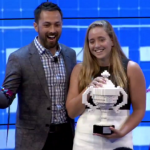
Olivia Hallisey of Greenwich, won the top prize for her Ebola test kit in the fifth annual Google Science Fair, which honored nine students aged 13 to 18 from all over the world last week. The Connecticut-based sophomore from Greenwich High School invented the much needed "novel temperature-dependent, rapid, simple and inexpensive Ebola detection platform." It could soon be much easier to diagnose Ebola thanks to this student’s new invention.
Aid workers in Ebola-stricken regions could soon b...
More
Sugar Preserves Vaccines without Refrigeration
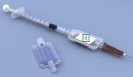
A sugar–glass cartridge can store vaccines without refrigeration.
Scientists at Nova Bio-Pharma Technologies and the University of Oxford have developed a new way of preserving vaccines without refrigeration by sealing the vaccine's live viruses inside glass made of sugar.
Currently, vaccines need to be stored in a fridge or freezer which means there is a need for electricity supply and refrigeration trucks for distribution as exposure to inappropriate temperatures can reduce the vaccine p...
More